King David Kalākaua, known as the "Merrie Monarch" for his revival of Hawaiian arts and culture, is celebrated for restoring hula, composing music, and building ʻIolani Palace. Less known is his interest in agricultural innovation—including the cultivation of cacao in his personal gardens.
A King of Many Interests
Kalākaua reigned from 1874 to 1891, a period of rapid change for the Hawaiian Kingdom. While managing complex political challenges, he also pursued a genuine interest in agriculture and botany. The king believed Hawaii's future prosperity lay in diversifying beyond the sugar industry that increasingly dominated the islands.
Kalākaua was the first reigning monarch to circumnavigate the globe, traveling to learn from other nations. His 1881 world tour included visits to cacao-growing regions, where he observed chocolate production firsthand.
Cacao in the Royal Gardens
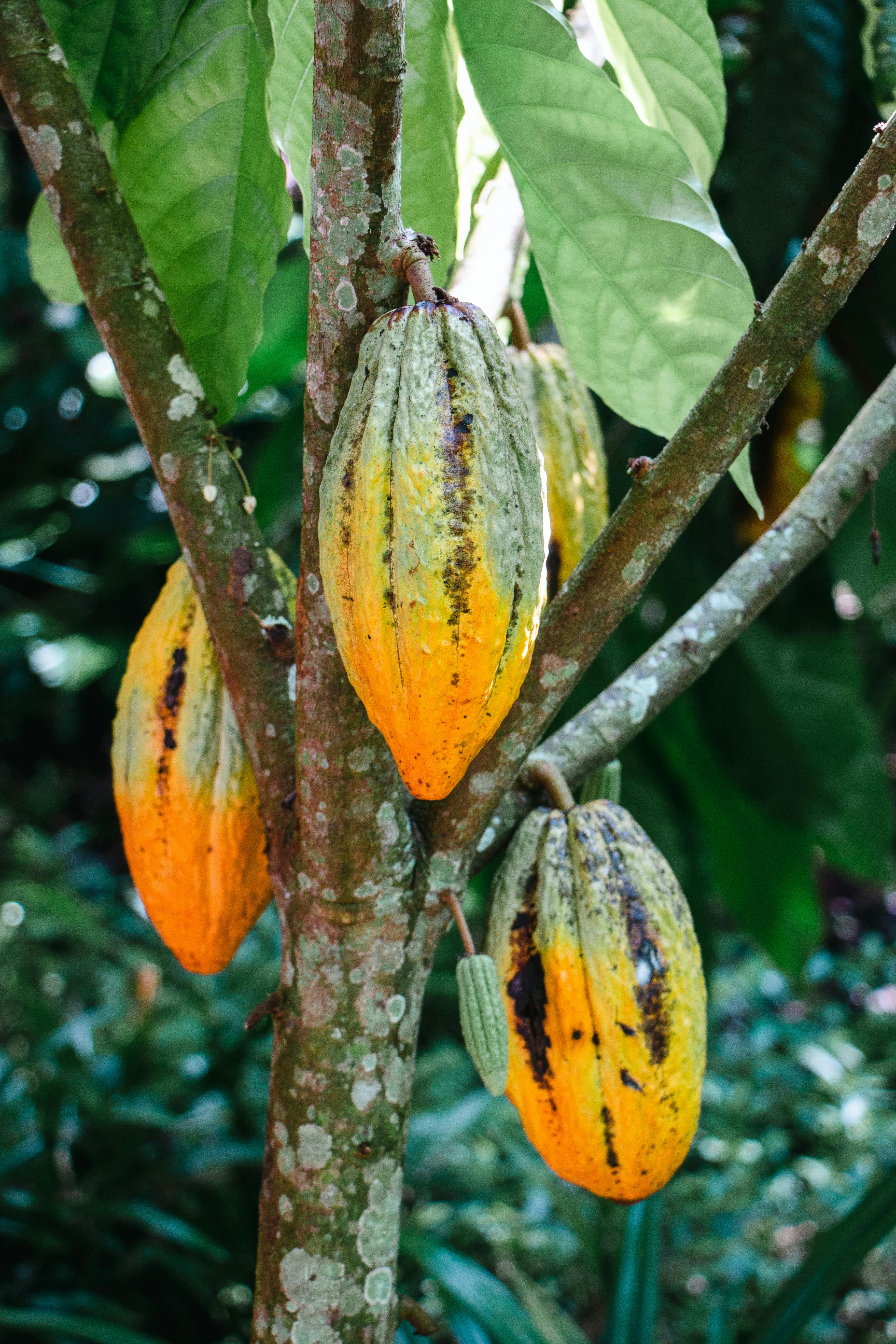
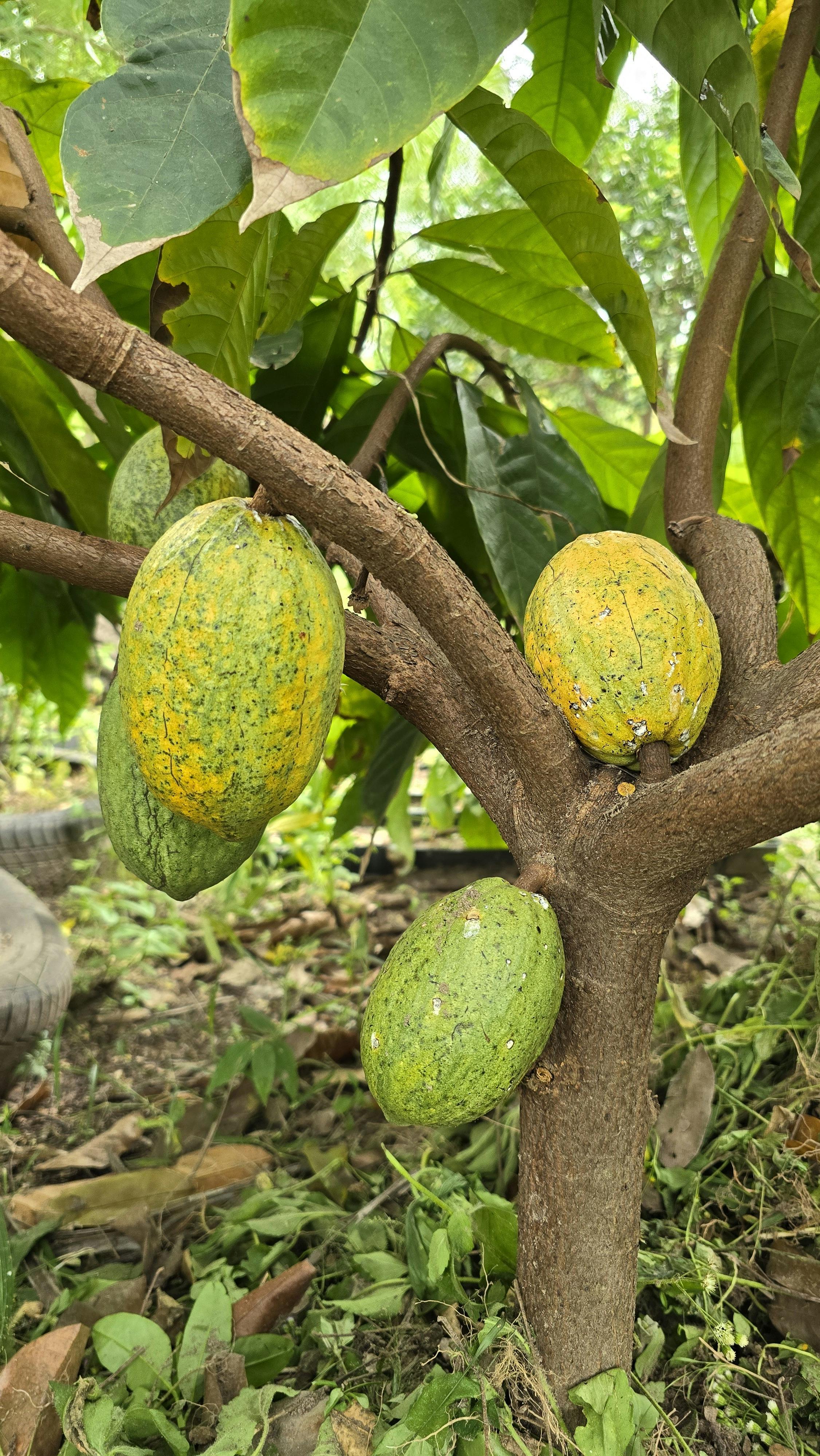
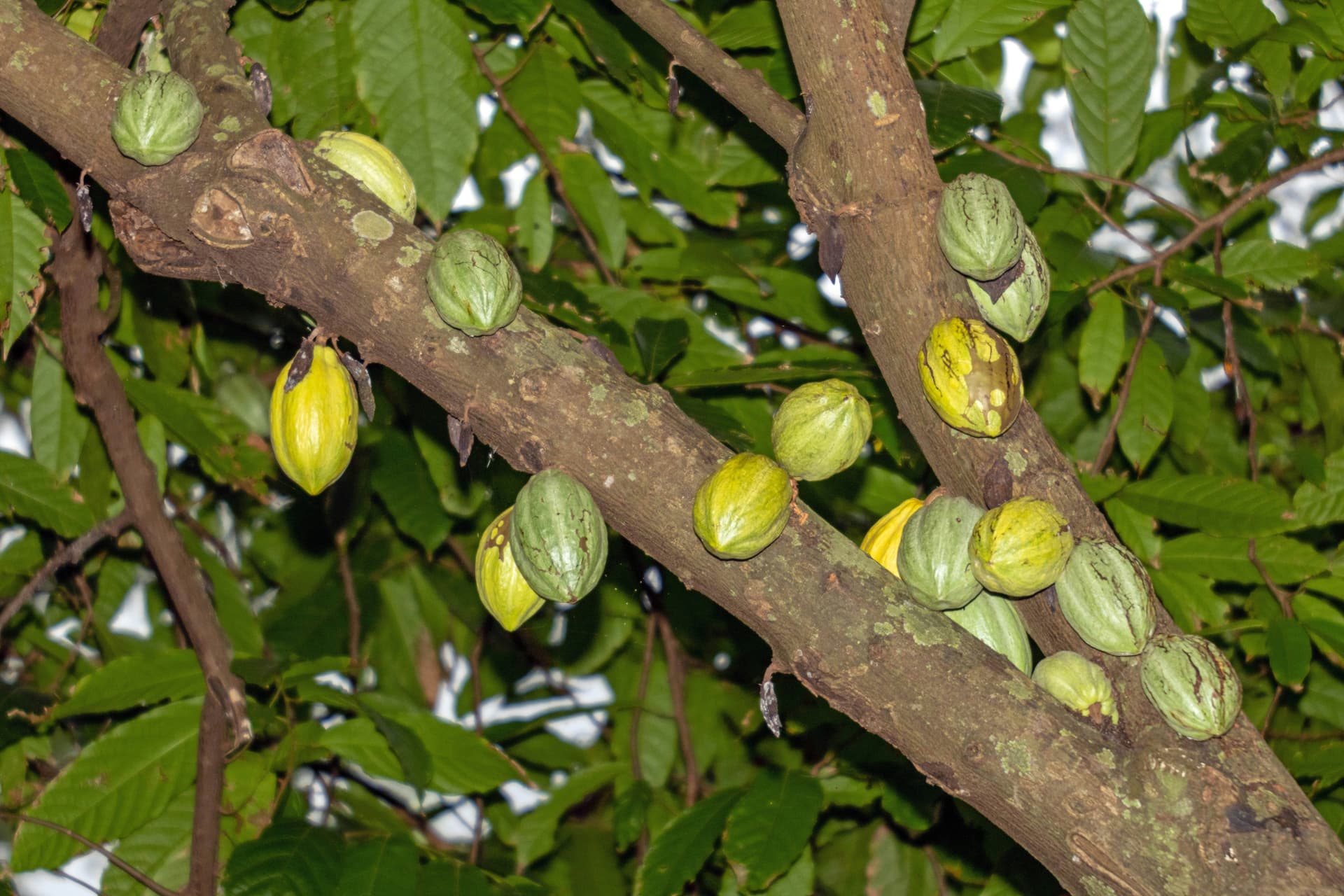
Following in the footsteps of Dr. William Hillebrand, who had introduced cacao to the Royal Gardens in 1850, Kalākaua maintained and expanded cacao cultivation on palace grounds. Historical records indicate that cacao trees grew alongside other tropical specimens in the gardens surrounding ʻIolani Palace.
The king's interest wasn't merely decorative. He saw cacao as a potential commercial crop that could diversify Hawaii's agricultural economy—a vision that wouldn't be realized for another century.
The Merrie Monarch's Vision
Kalākaua understood something that modern Hawaiian chocolate makers have rediscovered: Hawaii's tropical climate and volcanic soils were uniquely suited for cacao cultivation. His gardens served as early experiments in what would eventually become a thriving industry.
The king's agricultural interests extended beyond his personal gardens. He:
- Encouraged botanical experimentation across the kingdom
- Supported research into crops that could thrive in Hawaiian conditions
- Envisioned economic diversification away from sugar monoculture
A Legacy Interrupted
Kalākaua's death in 1891, followed by the overthrow of the monarchy in 1893, disrupted many of his initiatives. The political and economic upheaval that followed left little room for agricultural experimentation. Cacao, along with many other alternative crops, faded into obscurity.
It would take another century—and the collapse of the sugar industry—before farmers would seriously pursue the king's vision of Hawaiian cacao cultivation.
Connecting Past and Present
Today's Hawaiian chocolate industry can trace a philosophical lineage to Kalākaua's gardens. The pioneers who began planting cacao in the 1990s were, in many ways, fulfilling the Merrie Monarch's vision of agricultural diversification.
Visit the History
Foster Botanical Garden in Honolulu, site of Dr. Hillebrand's original 1850 cacao plantings, still maintains cacao trees. It's a living connection to the earliest days of Hawaiian chocolate history.
The Modern Renaissance
When Bob and Pam Cooper established the Original Hawaiian Chocolate Factory in 1997, they may not have known about Kalākaua's cacao experiments. But they were realizing a dream that Hawaiian visionaries had held for over a century: proving that Hawaii could produce world-class chocolate.
The industry that has emerged—artisanal, focused on quality, deeply connected to place—would likely have pleased the king who believed so strongly in Hawaii's unique potential.
A Toast to the Merrie Monarch
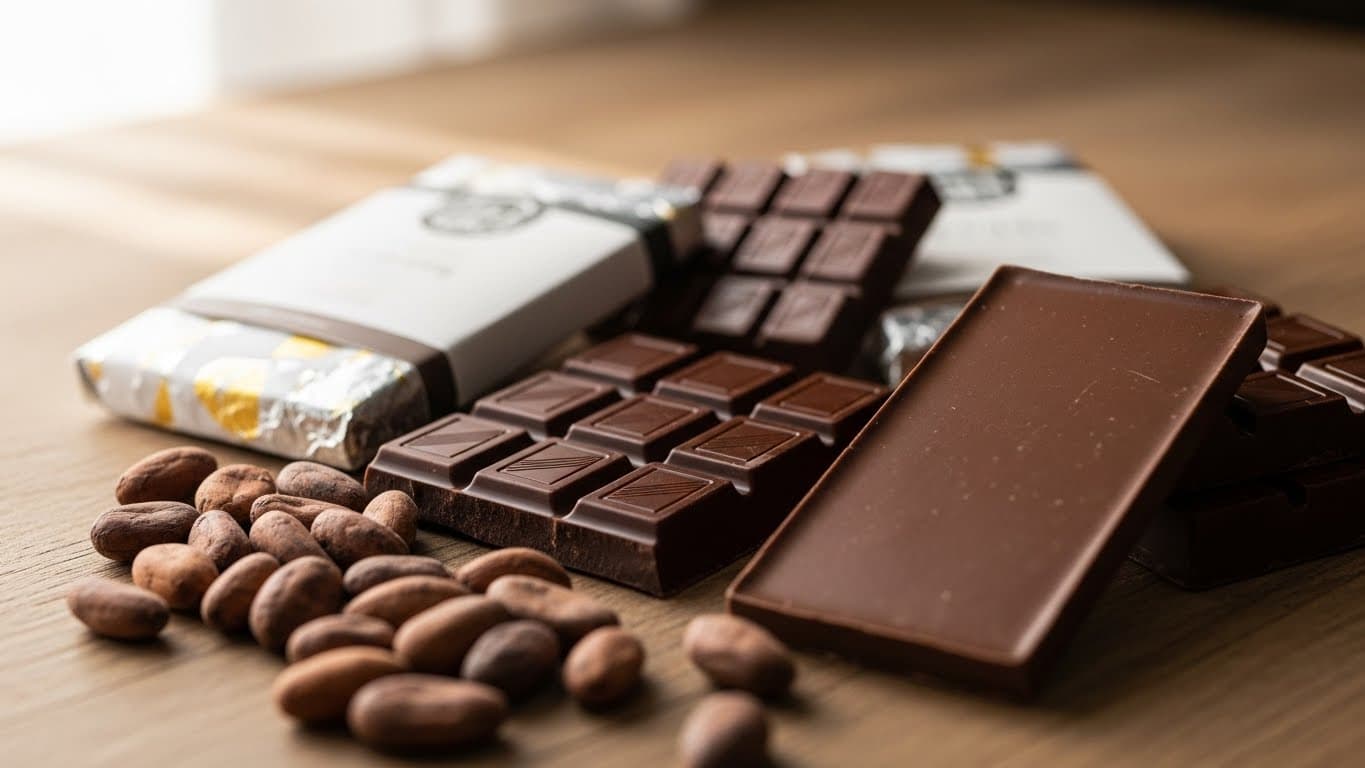
The next time you taste Hawaiian chocolate, consider raising a bite to King Kalākaua. His cacao gardens may have been small, but they represented a vision of Hawaiian agriculture that has finally come to fruition.
From the royal gardens of ʻIolani Palace to the cacao farms that now dot every major island, the story of Hawaiian chocolate is also a story of dreams deferred but never forgotten—and ultimately, spectacularly realized.
Discover the modern descendants of the king's vision on our interactive map of Hawaiian chocolate makers.
Tags
Chocomaps Team
Editorial
Sharing stories about Hawaiian-grown cacao and the people who make exceptional chocolate in the islands.