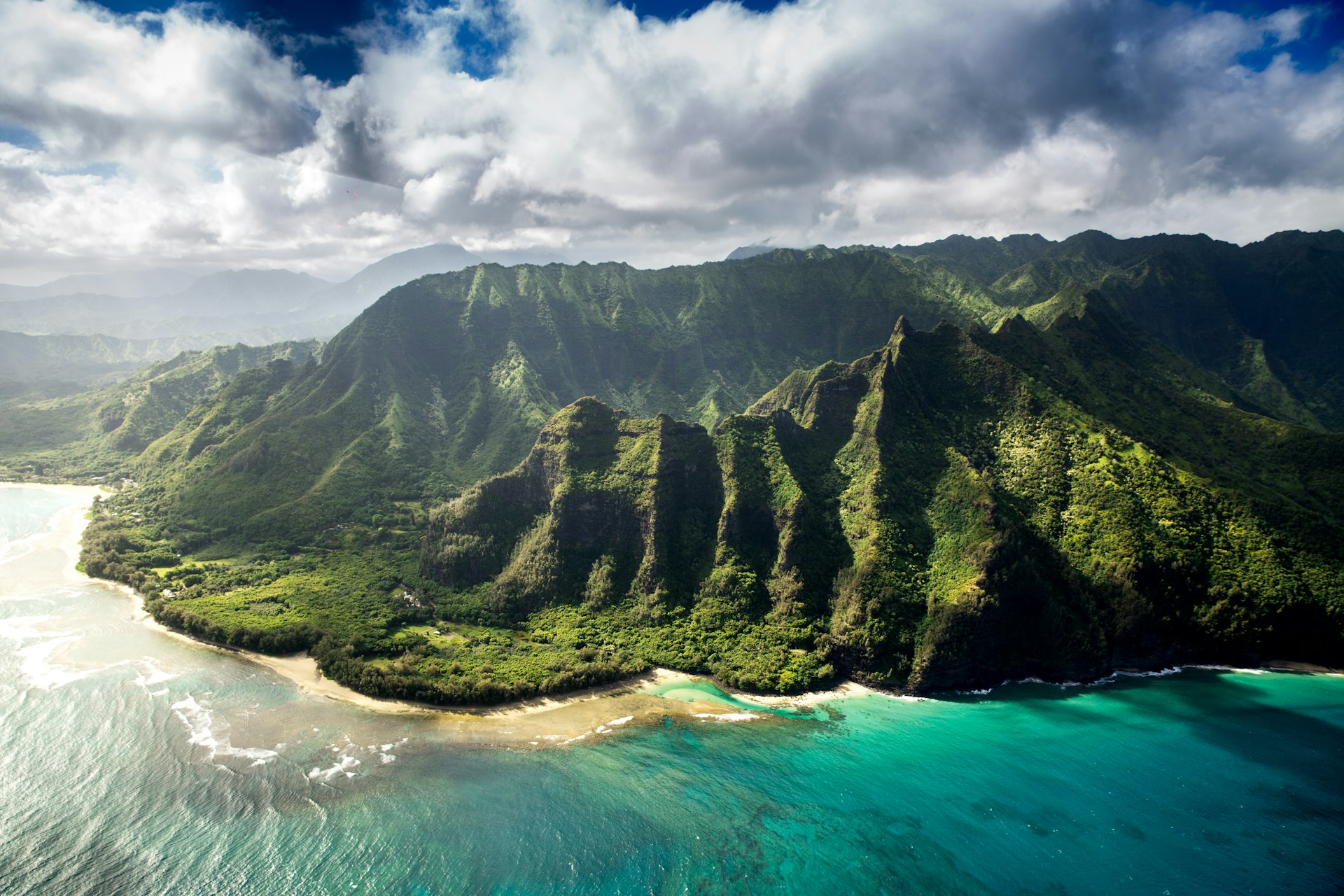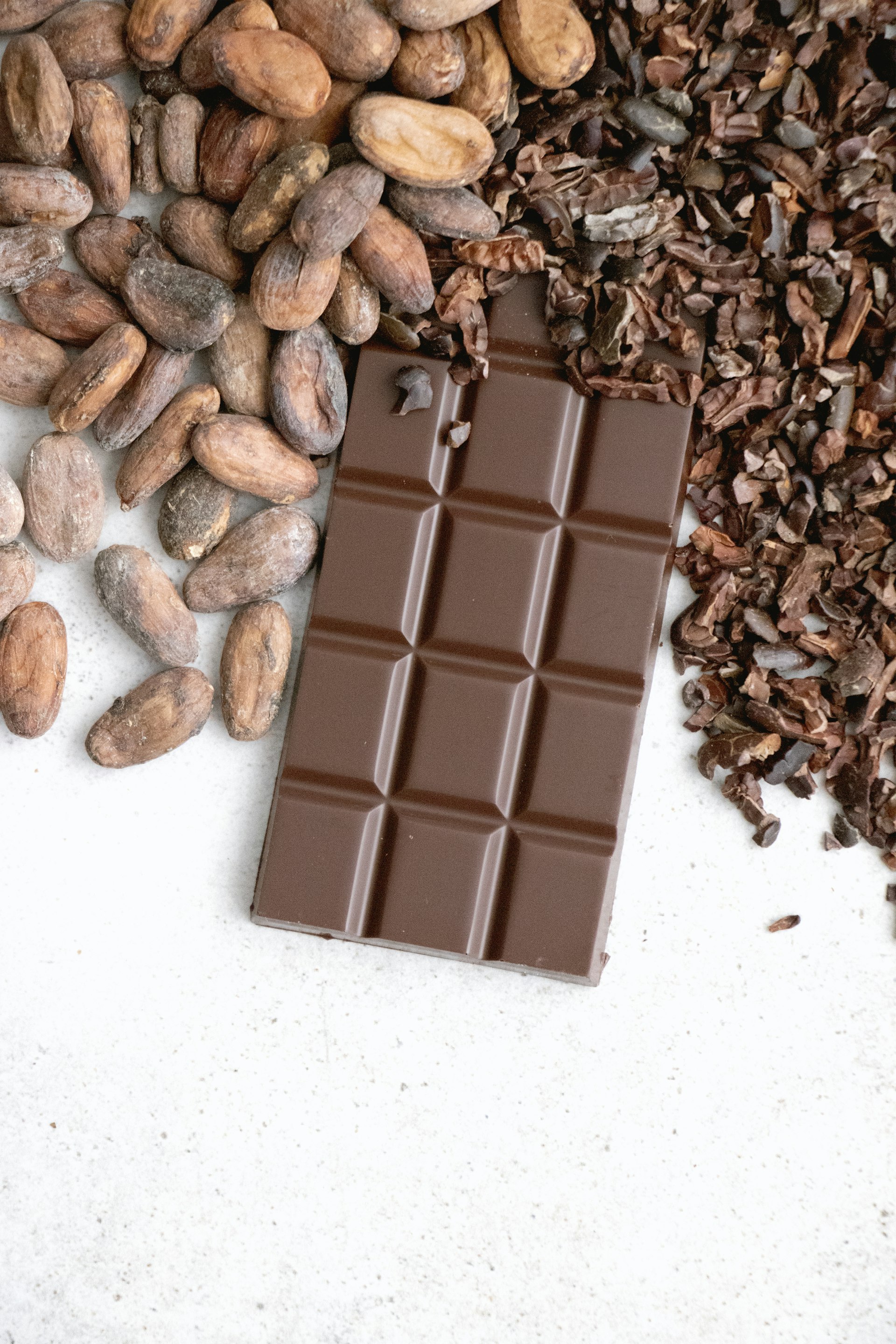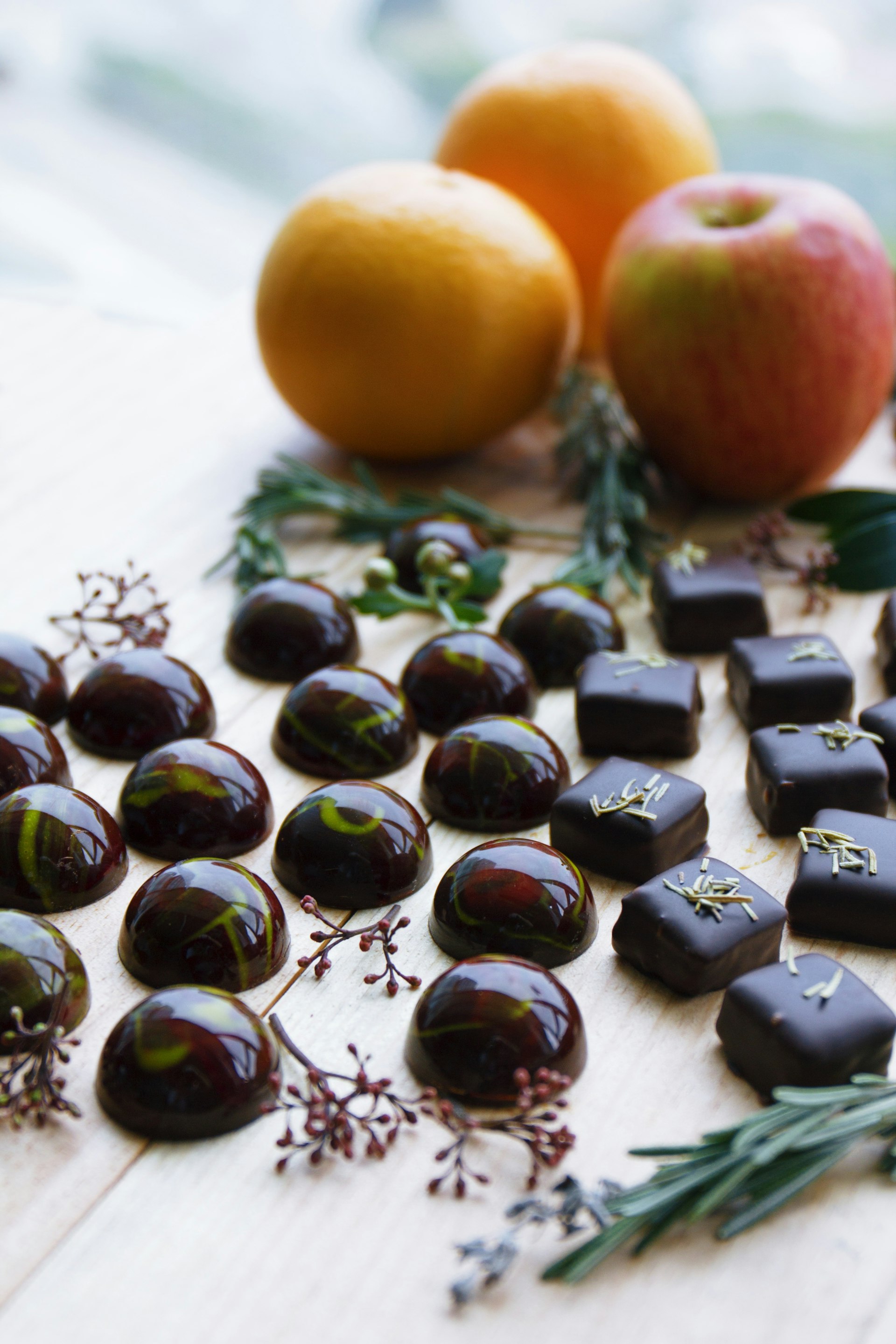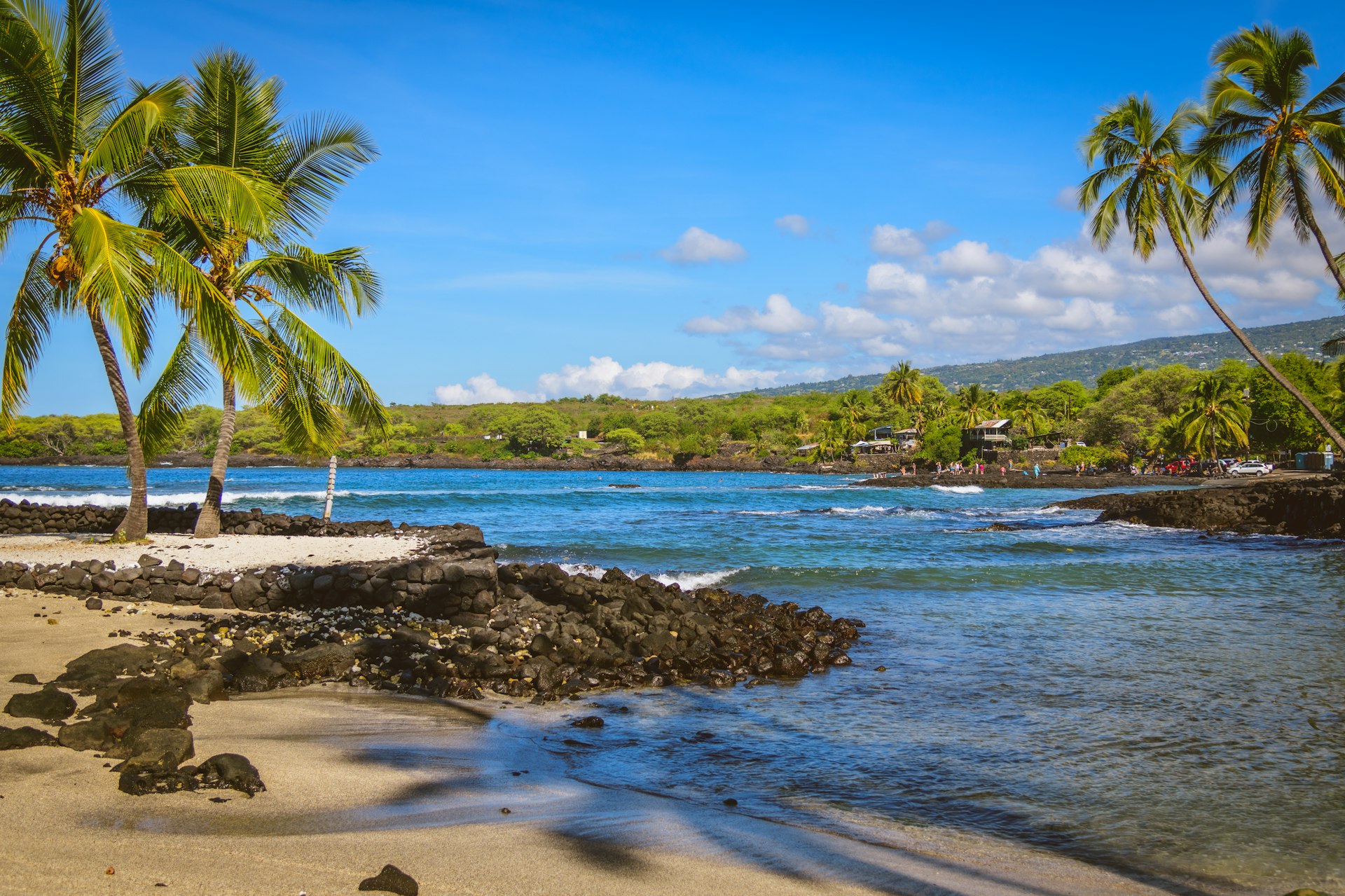
Hawaii's chocolate renaissance is in full swing. As the only U.S. state that grows cacao commercially, the Aloha State has nurtured a boutique cacao industry across its islands. From lush windward valleys to leeward plantations, cacao trees have taken root on Hawai'i Island (Big Island), O'ahu, Kaua'i, and Maui—each contributing to the archipelago's bean-to-bar movement.
But which Hawaiian island grows the most cacao as of 2025? The answer lies in a mix of climate advantages, passionate growers, and a decade of rapid growth in local chocolate making.
The Rise of Cacao in Hawaii
Hawaii's cacao industry is young but blossoming. Cacao has been cultivated in the islands since the 19th century, yet serious commercial efforts only gained momentum in the 1990s. In 1996, Dole Food Co. planted 20 acres of cacao on O'ahu's North Shore, and by 2000 the state's first bean-to-bar chocolate was produced in Kona on Hawai'i Island. These early ventures set the stage for today's cacao expansion.
Hawaii's Cacao Growth
A statewide survey found that 172 acres of cacao were in production in 2022, up from just 43 acres in 2014. By 2024, plantings reached about 189 total acres of cacao trees across Hawaii.
Annual harvests are still modest—roughly 32.8 tons of dry cacao beans in 2019—but growing steadily. Compared to the world's cacao giants, Hawaii produces only a tiny fraction (less than 0.0001%) of global volume. The focus here isn't on bulk commodity; it's on small-batch, high-quality cacao, often processed locally into premium chocolate.
All four major islands cultivate cacao, yet one island now stands above the rest in output.
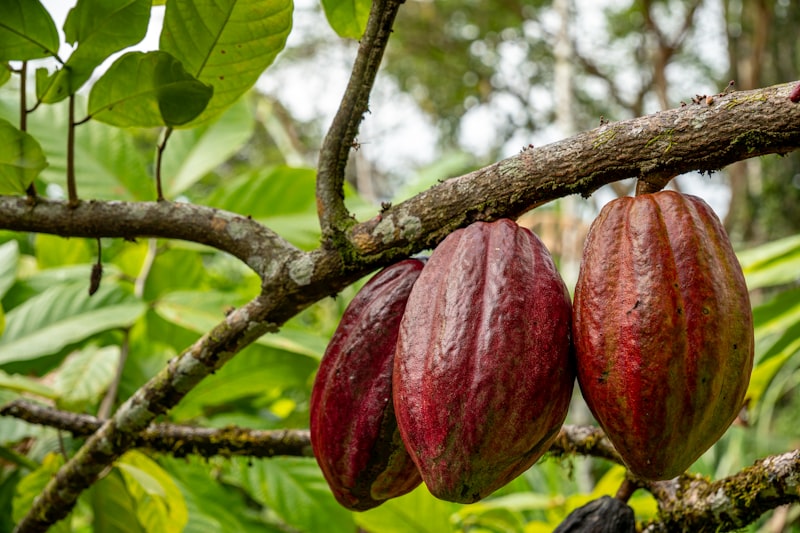
Hawai'i Island: The Big Island's Big Cacao Output
Hawai'i Island (Big Island) leads Hawaii in cacao production by a wide margin. It boasts the largest cacao output in the state, thanks to its rich volcanic soil and diverse microclimates. In 2025, local experts confirm that the Big Island grows more cacao than any other island—an achievement rooted in both geography and community.
Key Growing Regions
Cacao thrives in several pockets of the Big Island:
Kona Region (West Side):
- Warm temperatures and moderate rainfall
- Well-drained volcanic soils
- Reputation for fruity flavor notes with a clean finish
- Elevation zones similar to Kona coffee (300-1,200 feet)
Hilo, Puna & Hamakua Coast (East Side):
- Plentiful rainfall and humidity
- Mimics cacao's native rainforest habitat
- Requires careful disease management in humid conditions
Major Producers
The Big Island is home to many of Hawaii's most established cacao farms:
- Original Hawaiian Chocolate Factory (Kona): Hawaii's first bean-to-bar operation, established in 2000 with a 4-acre orchard
- Lavaloha Estate (Hilo): One of the island's larger plantations at 25 acres, offering popular "tree-to-chocolate" tours
- Mauna Kea Cacao (Pepe'ekeo): A 20-acre farm emphasizing sustainable practices
- Kuaiwi Farm (Kona): 5-acre organic operation integrating cacao with coffee and fruit trees
Why Big Island Dominates
Several factors give Hawai'i Island an edge: volcanic soils enriched by lava flows, diverse microclimates from rainy Hilo to drier Kona, more available agricultural land, and strong community support through groups like the Kona Cacao Association.
By some estimates, 25-30 farms cultivate cacao on Hawai'i Island—more than any other island in the state.
O'ahu: From Plantation Roots to Craft Chocolate Hub
While the Big Island leads in sheer volume, O'ahu has played an outsized role in Hawaii's cacao story. O'ahu was an early pioneer and still boasts the single largest cacao farm in the state: Dole's Waialua Estate on the North Shore, spanning approximately 80 acres of cacao trees.
North Shore Farms
The North Shore has become a hotbed of cacao innovation:
- Lonohana Estate Chocolate: About 6,000 cacao trees in Hale'iwa, carefully sheltered by taller trees to protect from salt-laden winds
- Manoa Chocolate's Kamananui Estate: A 5-acre orchard in Waialua supplying their single-origin bars
- 21 Degrees Estate (Kahuku): Runs an orchard and farm tour showcasing sustainable cacao farming
The Craft Chocolate Scene
What makes O'ahu stand out is not just farming, but the concentration of chocolate producers and innovators. O'ahu is home to several of Hawaii's premier bean-to-bar chocolate companies:
- Manoa Chocolate: Founded in 2010, offers single-origin bars named for the farm or region of origin
- Madre Chocolate: Pioneered ethical sourcing and won awards for Hawaiian-origin bars
- Choco le'a: Crafts bars from O'ahu-grown beans
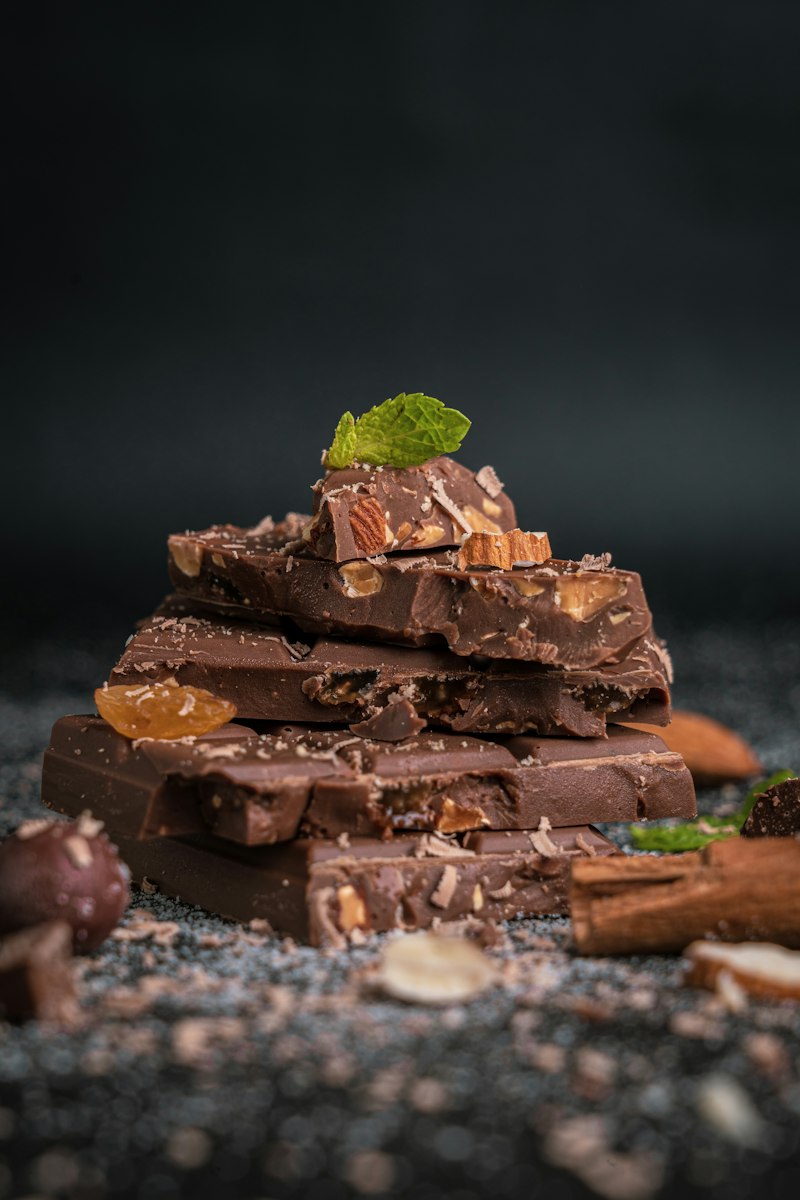
In terms of output, O'ahu likely ranks second in the state. What O'ahu may lack in total acreage compared to Hawai'i Island, it makes up for in infrastructure and reach. Being the population center, O'ahu has more chocolate factories and retail outlets, meaning much of the chocolate processing happens here.
Kaua'i: Boutique Cacao on the Garden Isle
Nicknamed the "Garden Island" for its abundant greenery, Kaua'i provides a fertile if smaller stage for Hawaiian cacao. The island's mountainous, rainy interior creates many well-watered microclimates ideal for cacao trees.
Lydgate Farms
The heart of Kaua'i's cacao scene is Lydgate Farms, located near Kapa'a on the island's east side. Run by a fifth-generation Kaua'i family, this farm has become famous for its immersive chocolate tours, where visitors walk through groves of cacao interplanted with vanilla and fruit.
Industry Leadership
Will Lydgate—the farm's current leader—is also the president of the Hawaii Chocolate and Cacao Association, reflecting Kaua'i's important role in promoting quality cacao statewide.
On the North Shore of Kaua'i, in the lush area of Kilauea, Garden Island Chocolate operates another notable farm and tour, growing dozens of cacao varieties in a garden of tropical fruits and spices.
In absolute terms, Kaua'i's cacao output is the second smallest (ahead of only Maui). However, what it lacks in volume, Kaua'i makes up for in consistency and quality through careful fermentation and drying practices.
Maui: Small Farms, Big Ambitions
Maui is last in cacao production among the four islands, yet it's an exciting frontier of experimentation and resilience. Strong winds in many areas make cacao farming challenging—cacao trees are wind-sensitive, and gusts can strip their leaves and spread diseases.
Key Players
Despite the challenges, Maui's innovators are finding ways:
- Hana Gold: Maui's pioneering cacao farm, planting cacao as early as 1978 in the Hana jungle
- Maui Ku'ia Estate: Planted 20 acres of cacao on the slopes of the West Maui Mountains, with plans for 40 more acres
- Kupa'a Farms: Testing cacao at 1,900 feet above sea level in upcountry Maui
Interestingly, Maui also sees some "urban cacao" efforts—one local initiative called "Wholly Cacao" collects cacao pods from trees scattered around Maui in backyards and public areas.
Even though Maui currently produces the least cacao, its upward trajectory is notable. Local entrepreneurs are determined to make Maui part of Hawaii's "Napa Valley of Chocolate" vision.
Quality Over Quantity: Hawaiian Cacao's Global Recognition
One thing all these islands share is a focus on quality. Hawaii's cacao may be minuscule in the global market, but it consistently punches above its weight in excellence.
| Achievement | Detail |
|---|---|
| 2019 Cocoa of Excellence | Three Hawaiian farms among the winners at Salon du Chocolat in Paris |
| Heirloom Designation | Hawaiian-grown cacao designated as an heirloom variety for exceptional flavor |
| Gold Awards | Hawaii wins over 10% of Gold-level awards despite producing less than 0.0001% of global cacao |
The Quality Paradox
As Will Lydgate notes: Hawaii will "never compete on volume" with West Africa or Latin America, "but we can be synonymous with quality."
Hawaiian cacao tends to have unique flavor notes—often described as smooth, floral, fruity, and lacking the bitterness found in some bulk cocoas. Terroir plays a role, as do the varieties grown (many are Trinitario and Criollo hybrids suited for flavor).
The "Napa Valley of Chocolate" Vision
Some envision Hawaii as the "Napa Valley of Chocolate"—just as Napa is a destination for wine tourism and fine wine, Hawaii could be known worldwide for chocolate tourism and fine cacao. The pieces are falling into place:
- Diverse cacao farms across all islands
- Award-winning products
- Tours and tastings
- Educational programs (University of Hawai'i offers workshops on cacao)
- Government and university investment in research
Conclusion
In 2025, Hawai'i Island stands firmly as Hawaii's cacao leader, producing more cacao than any other island and spearheading the state's bean-to-bar growth. Its combination of fertile land, favorable climates, and passionate growers has earned it the top spot in cacao output.
Yet every island contributes to Hawaii's chocolate tapestry:
- O'ahu provides innovation, infrastructure, and a bridge to market
- Kaua'i offers boutique quality and agro-tourism charm
- Maui brings experimentation and resilience in challenging conditions
Together, they turn the Hawaiian Islands into an archipelago of flavor—each cacao origin a little different, each worth savoring.
The future looks sweet for Hawaiian cacao. Industry surveys indicate growers plan to plant dozens more acres in coming years, meaning production will continue to climb. Collaborative efforts unite farmers from Kaua'i to Hawai'i Island to share techniques and tackle challenges as one 'ohana (family).
The next time you bite into a Hawai'i Island 70% dark bar or a silky O'ahu milk chocolate, remember the journey behind it. These chocolates carry the essence of volcanic soils, rainforests and ocean breezes, and the dedication of growers and makers who believe Hawaii can produce some of the world's best cacao.
Ready to explore? Discover Hawaiian chocolate locations on our interactive map. Filter by island to find chocolate farms, shops, and tasting experiences near you.
Tags
Chocomaps Team
Editorial
Sharing stories about Hawaiian-grown cacao and the people who make exceptional chocolate in the islands.